
Category: Article
-
Relationship to authority
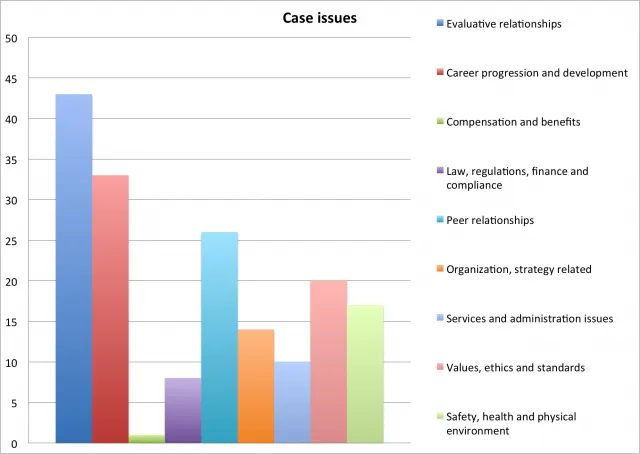
Relationship to authority Among the cases brought to the Ombuds, many of them have to do with difficulties between supervisees and supervisors. In fact, they form the majority of the cases. For both parties, the source of the conflict boils down to the relationship that people entertain with what can be called "the authority". The
-
Sincere feedback favours efficiency
Sincere feedback favours efficiency Everyone can certainly agree that good communication is very important. Leaders should try to give feedback to their supervisees on their work and career so they can benefit from this information. Giving feedback provides personnel with an opportunity to understand what can they can improve or correct should there be some
-
Social exclusion
Social exclusion In this special video edition I take a look at a social exclusion at CERN. Please note that the characters and situations appearing in this work are fictitious, and any resemblance to real persons or events is purely coincidental.
-
Use of sensemaking* in ethical decisions
Use of sensemaking* in ethical decisions Taking ethical decisions can often be a dilemma – one that requires recognition and proper representation of multiple pieces of complex information, as well as an intuitive judgment about potential consequences. Pressure is particularly placed on organizational leaders, who are tasked with projects, partnerships and individuals. Constraining forces –
-
Empathy
Empathy Many conflicts between people could be avoided or resolved if both parties could understand the situation as if they were in the other’s shoes. Putting oneself into another’s position, either consciously or unconsciously, is called empathy. Empathy should not be confused with sympathy, which involves condolence or pity for the other; empathy is a
-
Management or leadership?
Management or leadership? Management is quite adequate and most important for projects, budgets, milestones, and scheduling, for instance. However, when we are talking about people, about how to communicate and interact with them, how to motivate them so they are enthusiastic and give their best, and how to drive them to be fully responsible and
-
Workplace incivility
Workplace incivility In 2011, the Canadian HR Reporter published several articles by Sharone Bar-David on workplace incivility (I would encourage you to read them here). These articles can shed some light on an internal issue here at CERN: what happens when there are violations of the Code of Conduct that we may face every day?
-
Do not put things under the rug!
Do not put things under the rug! Due to his technical expertise and a mastery in his domain of activity, Jim* was nominated supervisor of his Unit at CERN. In fact, he was considered perhaps the only person who could face, along with his team, the great challenges of a very complicated technical development, and
-
Two striking features from last year
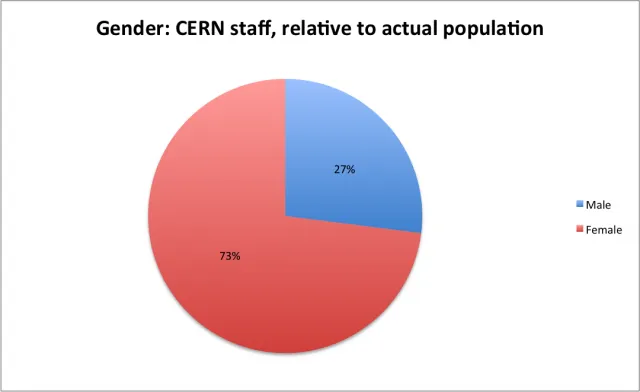
Two striking features from last year Happy New Year 2012 to all! At the beginning of this New Year, I would like to draw your attention to two important features that appeared from the statistics on the numbersand classes of visitors who came to the Ombuds during the first year of operations. The number of
-
A simple confidential discussion can help
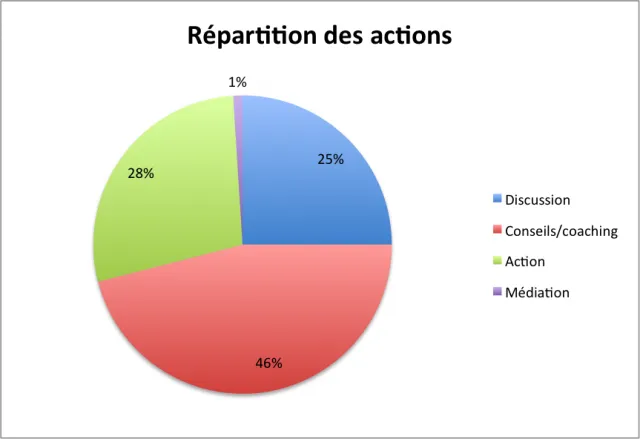
A simple confidential discussion can help No story this week, for a change! But I would like to convey to everyone a simple message: whatever issues you are facing, the Ombuds is here to listen to you; the Office is open for you. From time to time I hear that someone had to leave his/her